
|
Dr Joseph Pratt
|
Did you know that over 22 million workers in the United States are exposed to hazardous noise levels at work each year?
Unlike a trip or fall, hearing damage doesn’t leave a visible mark. It creeps in gradually, often going unnoticed until the effects are permanent. You might not realize the risk until a valued team member struggles to hear a simple instruction or misses a critical safety warning.
Protecting hearing health isn’t just about ticking off a regulatory box; it’s about building a workplace where everyone can thrive, stay safe, and perform at their best.
Why Hearing Health Matters (Beyond Compliance)
You benefit from a workforce that’s alert and responsive. When hearing is compromised, so is situational awareness. A team member not hearing a backup alarm or a shouted warning can mean the difference between a near-miss and a serious accident.
By prioritizing hearing health, you can rest assured that your team is better equipped to react quickly and avoid hazards.
And hearing loss doesn’t just affect the ears. Struggling to hear can also lead to cognitive fatigue, as your team members work harder to process sounds and conversations. Over time, this can cause frustration, stress, and even social isolation.
Help your team stay connected, engaged, and mentally healthy with advocacy for hearing health across your workplace, including workshops, annual hearing assessments, and occupational noise surveys.
You might not see the costs of hearing loss immediately, but they add up: Reduced productivity, increased absenteeism, and potential workers’ compensation claims can all stem from untreated hearing issues.
Investing in hearing conservation means you’re investing in both your team’s well-being and your company’s bottom line.
Identifying the Risks: Is Your Workplace Too Loud?
You can quickly assess noise risk with a simple test: If you have to shout to be heard by someone three feet away, the noise level is likely above 85 decibels, which is enough to cause permanent hearing damage over time.
Common Industries at Risk
You may think only factories or construction sites present risks to hearing, but hazardous noise is found in many settings:
Manufacturing
Construction
Agriculture
Loud open-office environments
Warehousing and logistics
And you don’t need a single loud “bang” to cause damage; continuous exposure to the hum of machinery or even busy office chatter can be just as harmful over time. Every hour your team spends in a noisy environment adds up, increasing the risk of irreversible hearing loss.
The "Hierarchy of Controls" for Noise
You have options when it comes to protecting your team’s hearing.
Elimination/Substitution: Can you remove the source of noise altogether? Upgrading to quieter machinery or changing work processes can drastically reduce risk. When you invest in quieter equipment where possible, you’re making a long-term commitment to your team’s health.
Engineering Controls: You can install sound barriers, mufflers, or vibration pads to dampen noise at its source. These solutions help you control noise before it reaches your team, creating a safer environment for everyone.
Administrative Controls: You can rotate shifts or limit the time employees spend in high-noise areas. By managing exposure, you reduce the risk of hearing damage without sacrificing productivity.
PPE as the Last Line of Defense: When noise can’t be reduced enough, you can provide personal protective equipment (PPE) like earplugs or earmuffs. Remember, PPE only works if it fits correctly and is worn consistently. Training your team on proper use ensures maximum protection.
Curious about custom hearing protection for your team? Precision Hearing can help you outfit your employees with hearing protection against the loudest workplace noise!
Building a Culture of Hearing Conservation
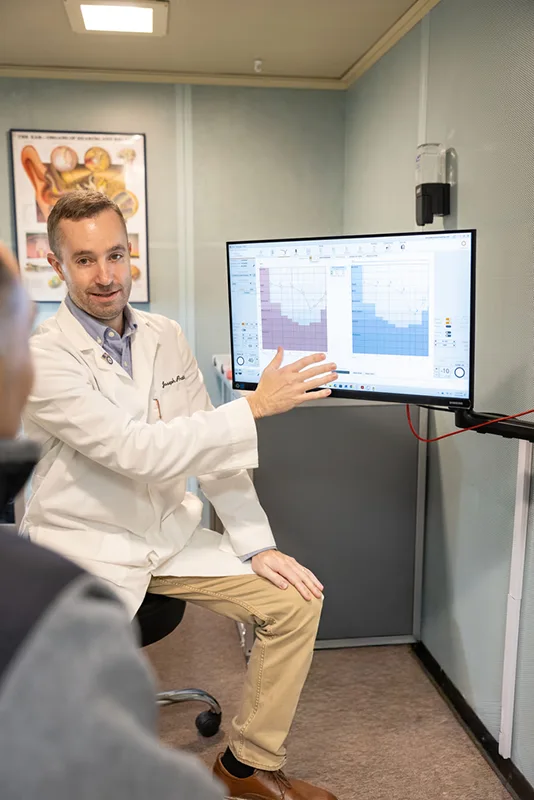
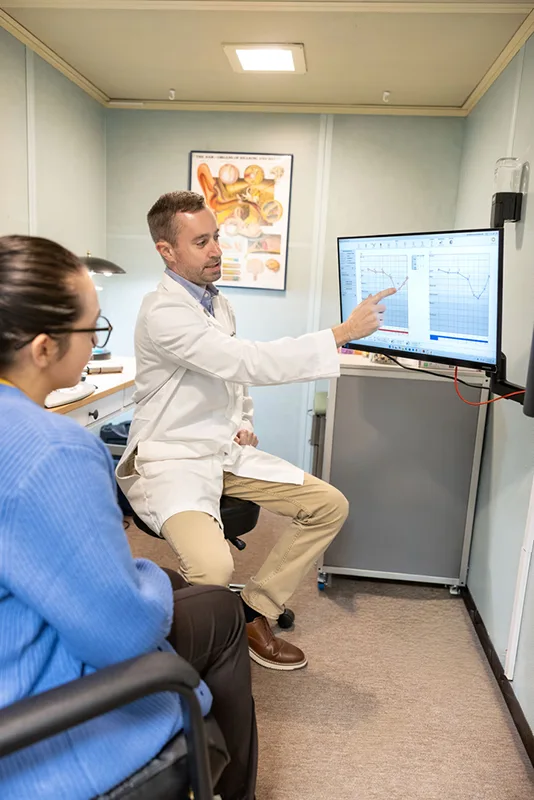
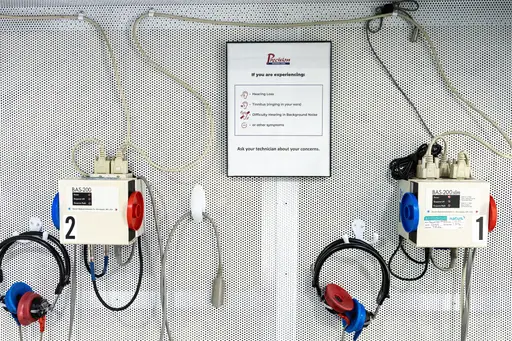
You can establish a baseline for each team member’s hearing with audiometric testing, then monitor changes with annual follow-ups. Early detection means you can take action before hearing loss becomes permanent.
You empower your team when you move beyond “just wear your plugs.” Explain why hearing protection matters and how to use it effectively. The more your team understands, the more likely they are to take hearing conservation seriously.
When you prioritize hearing health, you benefit from a workforce that’s focused, loyal, and safe. Moving from a compliance-driven approach to a people-first wellness culture transforms your workplace.
Remember: Hearing, once lost, doesn’t come back. Prevention is the only cure. By taking action today, you ensure your team’s well-being for years to come, and you can rest assured that you’re building a stronger, healthier workplace for everyone.
To find out more about workplace hearing health, get in touch with our team today. Let’s partner to create a safer, healthier work environment together!
Frequently Asked Questions (FAQ)
Q: How can I tell if my workplace noise levels are hazardous?
A: Here’s a rule of thumb: If you need to shout to be heard by someone three feet away, the noise is likely at or above 85 decibels, which is hazardous. For more accuracy, you can use a sound level meter or consult a professional to assess your workplace noise.
Q: What are the most effective ways to reduce workplace noise exposure?
A: You benefit most from eliminating or substituting noisy equipment, followed by engineering controls like sound barriers. Administrative controls, such as rotating shifts, and providing properly fitted hearing protection are also important. Combining these methods gives your team the best protection.
Q: Why is regular hearing testing important for my team?
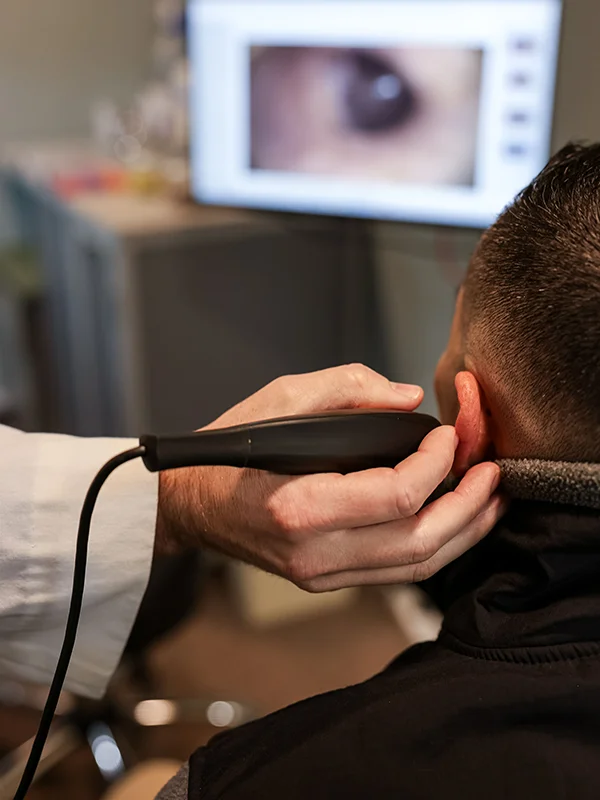
A: Regular audiometric testing helps you catch hearing loss early, before it becomes permanent. It also provides a baseline to monitor changes over time, ensuring you can take timely action to protect your team’s hearing health.
Source
National Institute for Occupational Safety and Health: To learn more about occupational hearing loss, take a look at this extensive overview from the CDC.